How to Create Realistic and Beautiful Skin Tones With Crayons and Colored Pencils
Creating realistic, beautiful skin tones is one of the most rewarding skills kids can learn when coloring. When children understand that human skin comes in a gorgeous spectrum of shades—and know how to mix colors to capture that beauty—they develop both artistic skills and an appreciation for diversity.
Why a Single "Skin Color" Isn't Enough — Human skin comes in hundreds of beautiful shades. Even within one tone, skin has undertones of pink, yellow, red, olive, or golden hues, plus natural shadows and highlights. No single crayon can capture this complexity. Layering and blending multiple colors creates more realistic, more beautiful results.
Basic Color Mixing Recipes:
Light Skin Tones — Base: peach or light orange. Add light pink, very light brown/tan, tiny touches of yellow. Shadows: light brown or gray. Highlights: cream or pale yellow.
Medium Skin Tones — Base: golden yellow or light brown. Add soft orange/peach, light brown, touches of red-brown. Shadows: medium brown or burnt sienna. Highlights: golden yellow or light tan.
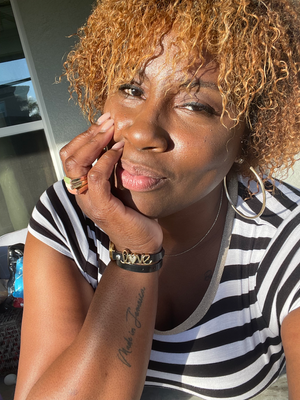
Deep Brown Skin Tones — Base: dark/chocolate brown. Add red-brown or burnt sienna, touches of deep purple/plum, deep red. Shadows: very dark brown, black, or deep purple. Highlights: medium brown, bronze, or golden brown.
Deep Black Skin Tones — Base: very dark brown or black. Add deep purple or indigo, dark red-brown, touches of deep blue in shadows. Shadows: true black or deep indigo. Highlights: dark brown, bronze, or copper.
Kid-Friendly Blending Techniques: (1) Light Layering — color lightly and build up gradually; it's easier to add more than remove. (2) Small Circular Motions — for a softer, natural look. (3) Test First — on scrap paper. (4) Add Shadows and Highlights — shadows under the chin and beside the nose; highlights on cheekbones, nose tip, and forehead.
Important Reminders for Kids: There's no "wrong" shade; people are more than one color; experiment and have fun; celebrate every shade with the same care and attention.
Practice Activity — Skin Tone Swatch Chart: Draw 6-8 boxes, create a different skin tone in each using the recipes above, and label each with the colors used. Keep it as a reference and add to it over time.
The best way to practice is with coloring pages that feature diverse characters — like the ones from Color In Pretty. You don't need expensive supplies; with basic crayons or colored pencils and an appreciation for the beauty of all shades, children can develop this rewarding skill while celebrating every beautiful shade of humanity.
---
Nicola Styles
CEO @herblackopedia & @heybeautimag
Co-Founder @radarplusnutrition
Find my illustrations @lifetimetv @lifetimemovie @colorinpretty
https://www.instagram.com/nicolahstyles